Court noise system
Pickleblok
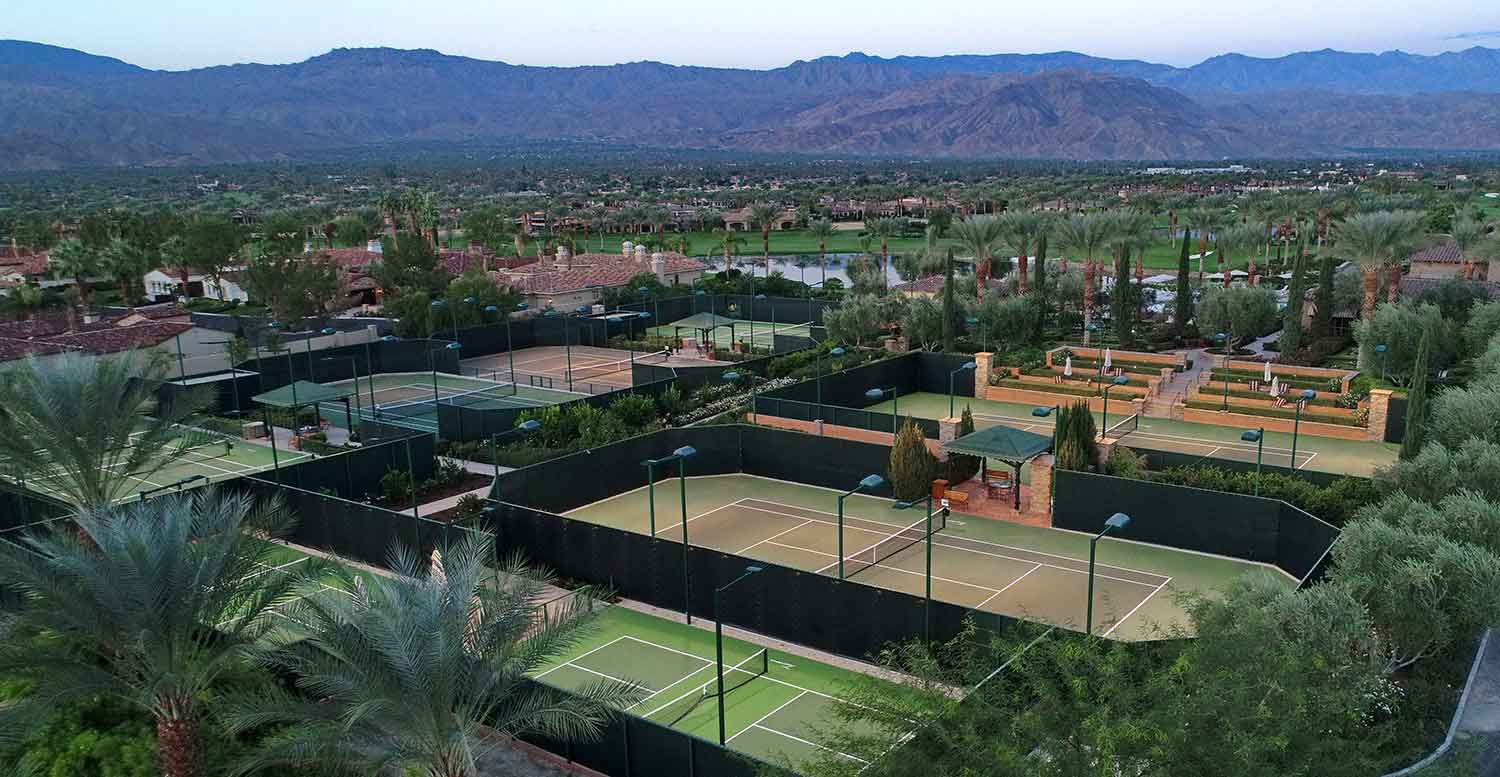
America's fastest-growing sport has a noise problem: that 70-decibel paddle pop, hundreds of times an hour. Pickleblok wraps the court and cuts it roughly in half to the neighbors' ears.
Tested by the sport itself
In a sound-meter test conducted by USA Pickleball Association president Bill Booth, Pickleblok reduced court noise by 10 to 12 decibels — about a 50 percent drop in loudness as the human ear perceives it.
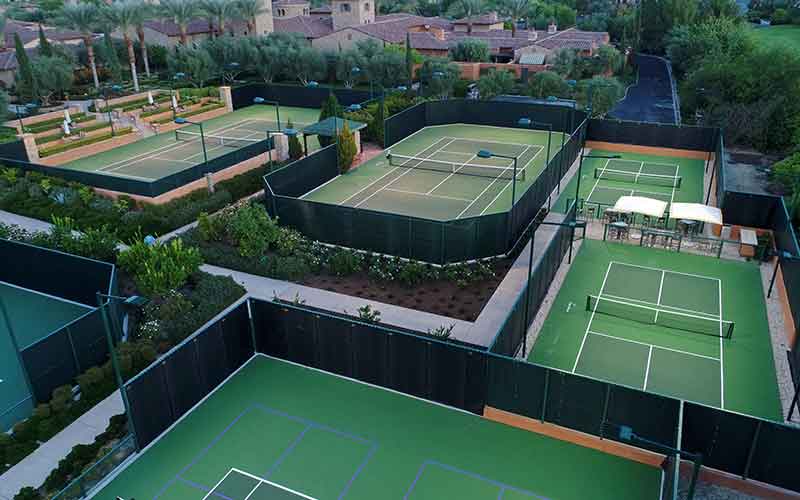
The system is built on our AcoustiFence material, so it lives happily outdoors: UV stable, mold resistant, tensioned on the court's existing fencing, and available in colors that suit a club as well as a backyard.
Bars show perceived loudness — every −10 dB is heard as roughly half as loud.
Why courts get shut down
The paddle strike registers 64 to 72 decibels — a sharp percussive pop that carries much further than the softer thwack of a tennis ball. Multiply by four players, dawn to dusk, courts a few feet from a property line, and you get HOA disputes, noise ordinances, and closed courts.
Clubs and municipalities install Pickleblok to keep courts open — it's cheaper than lawyers, and much cheaper than not having courts.
| System | Court perimeter barrier built on AcoustiFence material |
|---|---|
| Measured result | 10–12 dB reduction (USA Pickleball Assoc. president's sound-meter test) |
| Source noise | Paddle impact registers 64.2–71.8 dB |
| Mounting | Hangs on existing court fencing; modular panels |
| Weather | UV stable, mold and mildew resistant, hurricane-region proven |
On courts today